
ADVANCED BONE & JOINTS HEALTH CENTRE
JANUARI 2026
Vitamins For Strong Bones And Joints
|
Strong bones and healthy joints are essential for maintaining an active and comfortable lifestyle. Whether you are physically active, working long hours at a desk, or simply aiming to stay mobile as you age, your bone and joint health plays a major role in daily movement and overall quality of life. While regular exercise and good posture are important, proper nutrition, especially for essential vitamins, is often overlooked.
At Advanced Bone Joint Health Specialist, we emphasise that nutrition is not only about general wellness, but also about supporting bone strength, joint flexibility, and long-term mobility. This article explores key vitamins for strong bones and joints, how they support musculoskeletal health, and practical ways to include them in your daily routine.
Understanding Bone and Joint Health
Bones and joints are living tissues that continuously renew themselves. As part of the natural ageing process, bone density may decrease, and joints may lose flexibility due to reduced collagen and cartilage support. Inadequate intake of essential nutrients can accelerate these changes.
Vitamins for strong bones and joints work together with minerals such as calcium, magnesium, and phosphorus to:
- Maintain bone density and strength
- Support joint lubrication and flexibility
- Reduce inflammation
- Promote collagen production
- Preserve cartilage and connective tissue health
A balanced intake of these nutrients plays an important role in reducing the risk of osteoporosis, joint stiffness, and degenerative joint conditions.
Key Vitamins for Strong Bones and Joints

Vitamin D – Supporting Calcium Absorption
Vitamin D is essential for helping the body absorb calcium effectively. Without sufficient Vitamin D, calcium intake alone may not adequately strengthen bones. Low Vitamin D levels are commonly associated with reduced bone density.
Sources: Sunlight exposure, fortified dairy products, oily fish, and supplements.
Local tip: Despite abundant sunlight in Malaysia, indoor lifestyles and sun protection can still contribute to Vitamin D deficiency.
Vitamin K – Promoting Bone Strength
Vitamin K helps regulate calcium utilisation, directing it into the bones rather than soft tissues. It also supports bone mineralisation and joint flexibility.
Sources: Leafy green vegetables such as spinach, kale, and broccoli.
Vitamin C – Essential for Collagen Production
Vitamin C plays a vital role in collagen synthesis, which is important for cartilage, ligaments, and tendons. It also acts as an antioxidant, protecting joint tissues from oxidative stress.
Sources: Citrus fruits, guava, strawberries, bell peppers, and tomatoes.
Vitamin B Complex – Supporting Nerve and Joint Function
B vitamins, particularly B6, B9 (folate), and B12, help support nerve health, reduce inflammation, and assist with tissue repair. They are especially beneficial for individuals experiencing joint discomfort or fatigue.
Sources: Whole grains, eggs, poultry, legumes, nuts, and seeds.
Vitamin E – Reducing Inflammation
Vitamin E is a powerful antioxidant that helps protect joints from inflammation caused by oxidative damage. It may be beneficial for individuals with degenerative joint conditions.
Sources: Almonds, sunflower seeds, spinach, and avocados.
Important Minerals That Work with Vitamins
In addition to vitamins, certain minerals are essential for maintaining strong bones and healthy joints:
- Calcium: Supports bone structure and strength
- Magnesium: Helps activate Vitamin D and supports bone formation
- Zinc: Assists in tissue repair and cartilage maintenance
- Phosphorus: Works alongside calcium to maintain bone density
These nutrients are often most effective when taken together as part of a balanced diet.
Nutrition Tips for Healthier Bones and Joints
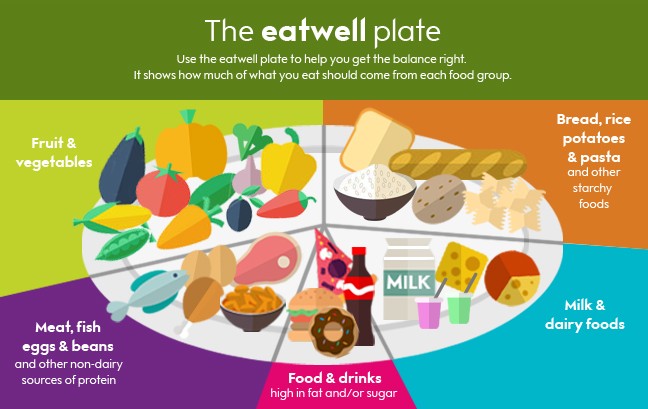
A well-balanced diet helps the body absorb vitamins and minerals naturally. Consider the following dietary habits:
- Include milk, yoghurt, or calcium-fortified alternatives
- Consume leafy green vegetables regularly
- Add fish such as salmon or sardines to your meals
- Snack on nuts and seeds in moderation
- Drink sufficient water to support joint lubrication
Combining proper nutrition with regular physical activity can further support joint mobility and bone strength.
The Role of Supplements
For individuals who have dietary limitations or increased nutritional needs, supplements may help bridge the gap. Commonly used supplements include:
- Calcium with Vitamin D
- Collagen combined with Vitamin C
- Omega-3 fatty acids for joint inflammation support
Supplement use should be guided by professional advice to ensure safety and suitability.
Lifestyle Habits That Support Bone and Joint Health

Nutrition alone is not sufficient. Healthy lifestyle habits play an equally important role:
- Engage in weight-bearing and strengthening exercises
- Maintain a healthy body weight to reduce joint stress
- Avoid smoking and limit alcohol intake
- Practise proper posture and ergonomic habits at work
Early attention to these factors can help maintain long-term mobility and reduce future joint problems.
When to Seek Professional Assessment
Consider seeking a professional evaluation if you experience:
- Persistent joint or back pain
- Morning stiffness lasting more than a short period
- Frequent fractures or reduced bone strength
- Limited joint movement affects daily activities
At Advanced Bone Joint Health Specialist, musculoskeletal conditions are managed using evidence-based approaches tailored to individual needs, focusing on long-term joint function and bone health.
Conclusion
Strong bones and flexible joints require consistent care, balanced nutrition, and healthy lifestyle choices. Incorporating the right vitamins and minerals is a practical step towards maintaining mobility and reducing the risk of bone and joint conditions.
At Advanced Bone Joint Health Specialist, a holistic approach is taken to support bone and joint health through education, nutrition, and appropriate care strategies. By taking early action today, you can help protect your mobility and comfort for years to come.
Start Your Recovery with a Free Consultation
Get expert advice from our bone and joint specialists no commitment, just care.